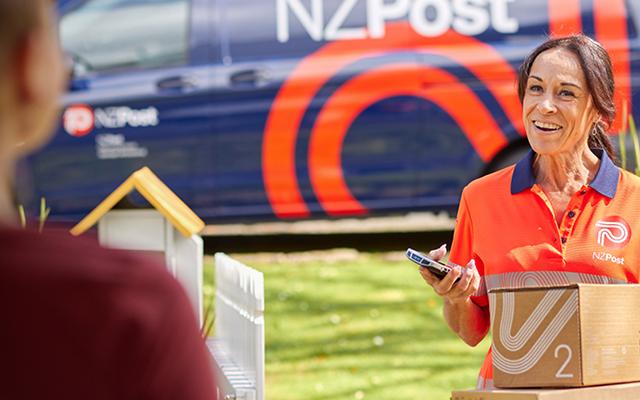
As retailers prepare for their busiest time of year, NZ Post’s GM Safety and Wellbeing, Rex Middelbeek, shares how NZ Post prepares its people for Peak and five practical ways businesses can keep their teams safe, well and ready for increased demand over an extended time.
Peak is often the most important trading period of a retailer’s year. Orders are flowing, customers are shopping and everyone is working hard to get parcels out the door. But with increased volumes come longer hours, tighter deadlines and additional pressure on the people making it all happen.
Peak 2025
- NZ Post delivered 17.1 million parcels over Peak. The busiest week was 1-7 December with over 2.5 million parcels delivered that week:
- 1 December was the busiest processing day, with 65% more parcels handled than a typical Monday.
- 3 December was the busiest delivery day, with well over double a typical weekday.
For Rex, preparing for this level of demand is a bit like getting a sports team ready for the big game. Throughout the year, the team trains, improves its systems and learns from previous performances. By the time Peak arrives, the preparation is done. It's time to put the plan into action, with coaches and support staff on the sidelines helping everyone perform.
The same thinking applies to retailers getting ready for Peak. The more you do to prepare your people before volumes increase, the better placed they'll be to handle the pressure safely and successfully.
Why planning matters
Rex explains that people often respond well to an initial surge in demand. Awareness increases, everyone pulls together and the team rises to the challenge. The difficulty is sustaining that performance over multiple months.
Peak starts as early as late October and can carry through to early in the new year. Over that period, as the tiredness builds, staffing levels fluctuate and pressure builds, the temptation is to rush. That's when mistakes and accidents can happen.
NZ Post approaches this through its Safety Always philosophy, building safe working practices into the way work gets done. Throughout the year, NZ Post focuses on eight critical safety and wellbeing risk areas. As Peak approaches, its teams work through these areas, identifying which will be most affected by increased parcel volumes, additional staff, longer operating hours and greater pressure on its network. They then consider what additional measures are needed to manage those risks.
Preparation has a large focus on people. NZ Post forecasts volumes, plans its staffing requirements and trains its teams throughout the year, so they're ready when demand increases. During Peak, team leaders keep a close eye on workloads and emerging risks, with regular communication and additional support where it's needed.
For retailers running busy warehouses, fulfilment and dispatch operations, the same principles apply. Think about where increased volumes will put the greatest pressure on your people, identify the additional risks, put measures in place before the volumes arrive, and monitor those areas through the Peak season.
Rex’s five practical tips to keep your team safe, supported and Peak ready
- Plan for the busiest day, not the average day
Look at last year's sales, planned promotions and expected order volumes. Identify when you'll need additional people, equipment or shifts, and build in contingency for unexpected demand or staff absences.
NZ Post uses detailed forecasts to plan staffing down to individual regions, days and hours. Your business may not need that degree of detail but knowing when the pressure will hit gives you time to prepare rather than react.
- Get new people ready before the rush
Seasonal temporary teams can make an enormous difference if they're properly prepared. Walk them through their tasks, explain the risks in your workplace and pair them with experienced team members.
NZ Post uses induction and buddy systems to help temporary workers settle in. Rex emphasises that induction should be a conversation, not just a checklist. Make sure new people understand what they're doing, what they're not trained to do and who they approach for help.
- Check in with your people every day
A quick team stand-up before each shift can help everyone understand the day's priorities, identify potential problems and raise potential fatigue concerns.
Someone who was coping well yesterday may be struggling today, particularly if they're working additional hours or juggling commitments outside work. Managers and teammates are often better placed to recognise the signs than the person experiencing them.
- Watch for warning signs and be prepared to change the plan
Keep track of near misses, staff absences, recurring bottlenecks and tasks that people are struggling to complete safely. If orders are running late, resist the temptation to simply work faster or longer. Review your staffing, redistribute workloads or adjust your processes instead.
- Keep supporting your team right through to the finish
Peak is a marathon, not a sprint. What works during the first week of November may not be enough after six or seven big weeks. Review workloads regularly, build in extra breaks and additional recovery time into your rosters, and make it easy for people to say when they need extra support.

A plan that puts people first
Rex describes Peak preparation as creating a flight plan. You know where you're going and how you intend to get there, but if the weather changes, you need to be ready to adjust your course.
For retailers, that means having a clear plan for increased volumes, involving your people in developing it and being prepared to change it when circumstances demand.
Because ultimately, looking after your people and delivering for your customers aren't competing priorities. When your team is prepared, supported and working safely, your business is better placed to deliver for customers during the full length of the busiest time of year.